
Mobile app development.Apps people keep.
iOS and Android apps from one NZ team — designed, built, shipped to the stores and supported long after launch. Native feel, sensible budgets, no abandoned codebases.
Native-feel quality
Smooth, fast and platform-true on both stores.
One team, both platforms
React Native where it fits, native where it counts.
Built for retention
Onboarding, push and offline done properly.
Apps and platforms for New Zealand's best-known brands






Mobile development from idea to app store.
Strategy, design, build, launch and the long life after — the whole journey with one accountable team.
iOS & Android Apps
Consumer and business apps with native-feel performance — one codebase where it makes sense.
Customer & Loyalty Apps
Accounts, ordering, rewards and booking — the app your customers reach for weekly.
Field & Workforce Apps
Offline-capable tools for teams away from the desk — jobs, forms, photos and sign-offs.
APIs & Backends
The server side done properly — auth, sync, push infrastructure and admin consoles.
App Store Launch
Store listings, review compliance and release management for both stores.
Growth & Iteration
Analytics, crash monitoring and a release cadence that keeps the app improving.
Native, React Native or web app — what should you build?
The decision is more practical than tribal. React Native gives you both stores from one codebase at roughly two-thirds the cost of building twice — it's our default for most business and consumer apps. Fully native earns its premium when you push hardware hard: intensive graphics, advanced camera work, tight OS integration. And sometimes the honest answer is a progressive web app — no stores at all — when installability matters less than reach.
The bigger risk isn't choosing the wrong framework; it's underestimating everything around the app: the backend, push notifications, offline sync, store review, and the release rhythm that keeps ratings healthy. That operational side is where apps die quietly — and where an experienced team pays for itself. Tell us what you're planning and we'll recommend the right approach, even if it's the cheaper one.
Apps we've actually shipped.
Not mockups — real apps in real stores and real pockets, from our own products to telco scale.
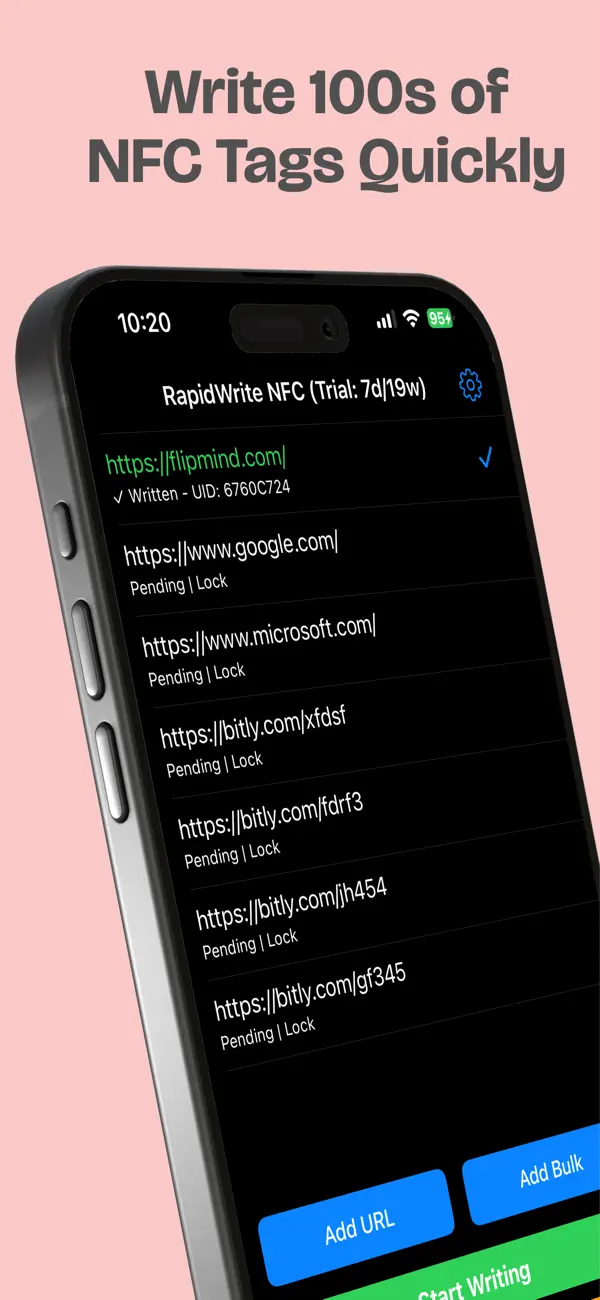

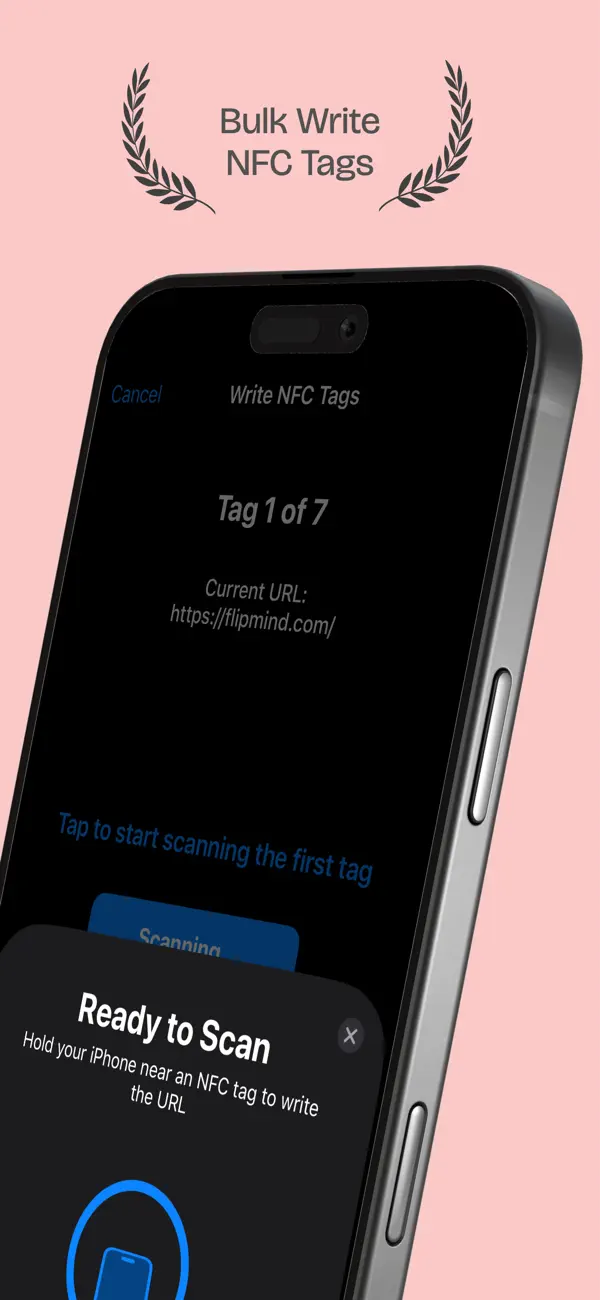
RapidWriteNFC · iOS — our own published app
RapidWriteNFC
Our own NFC tag-writing app — designed, built and published by Flipmind, live on the App Store now.
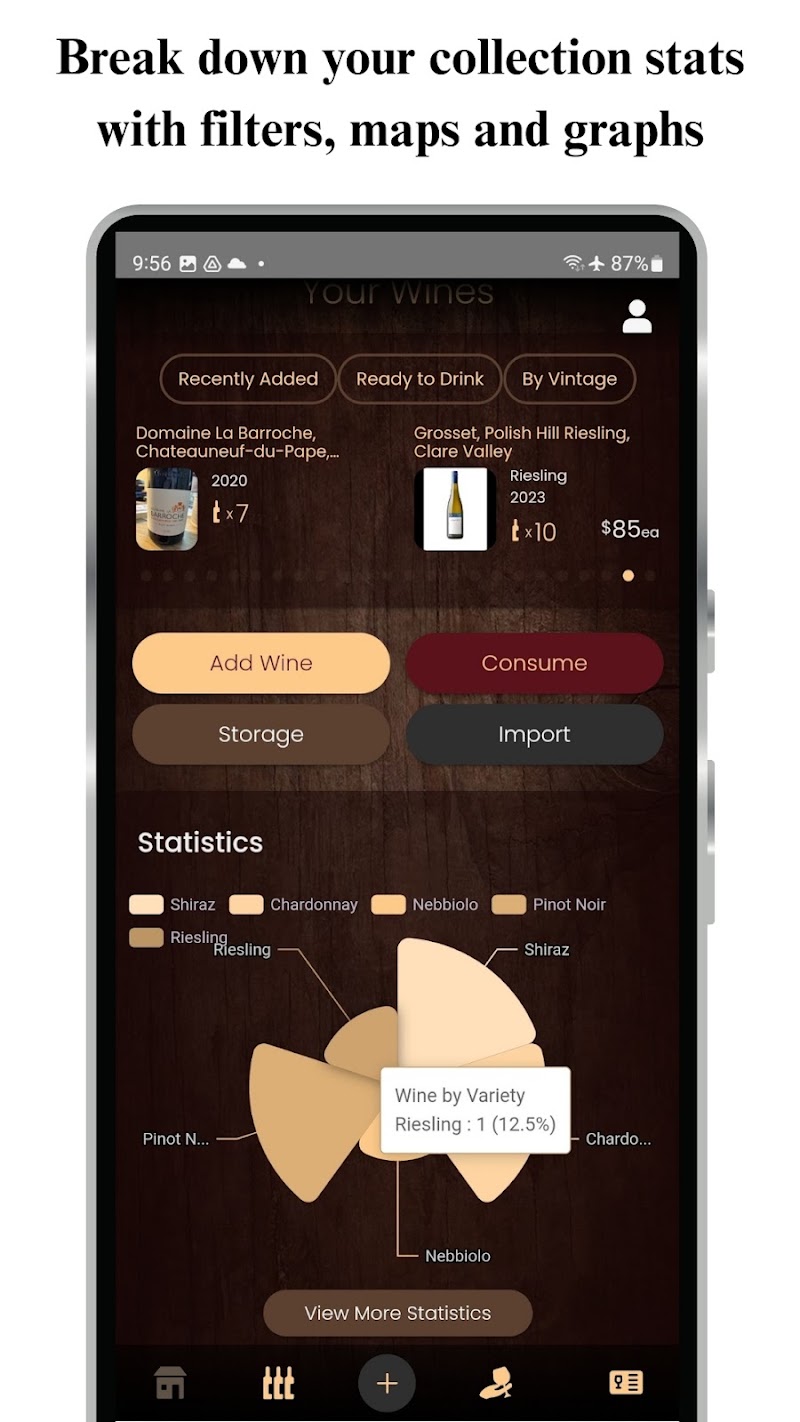
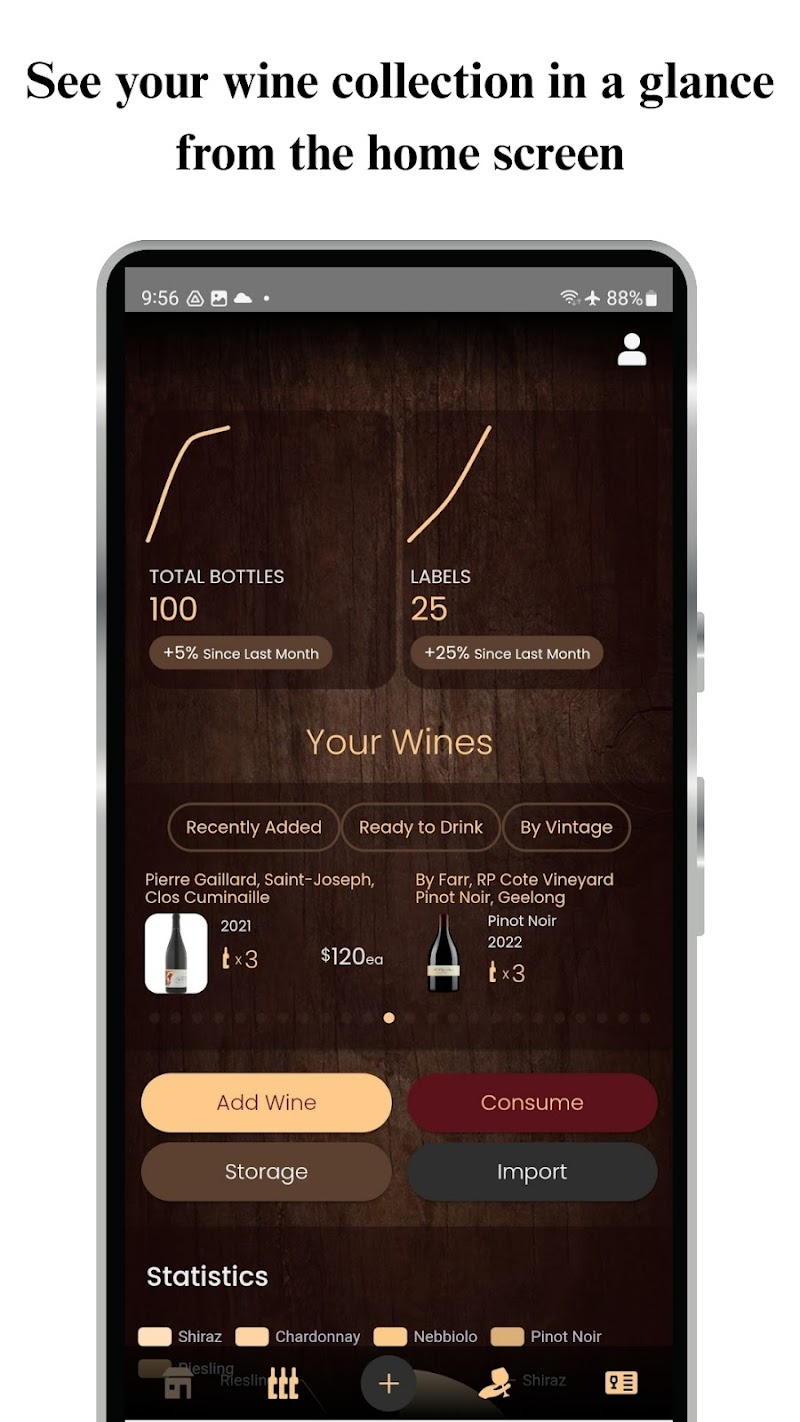
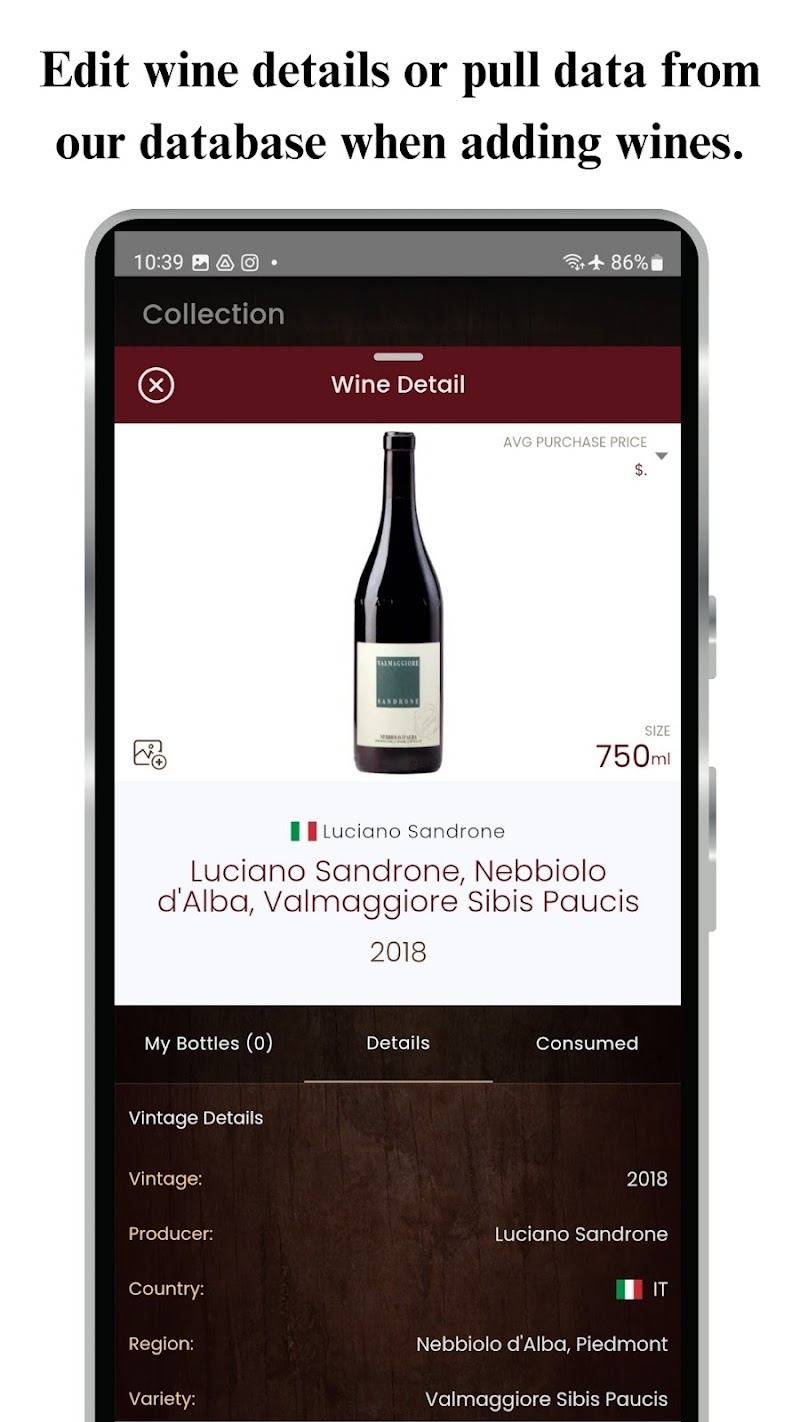
App StoreRushcutters Wine Storage
The member app for Sydney's Rushcutters wine storage — customers manage their cellar from their pocket.
Google PlayPark & Fly
Bookings, point-of-sale and gate operations for Sydney Airport parking — mobile software the business runs on daily.
Customer story2degrees Mobile
We built the mobile app for 2degrees — self-care, top-ups and account management for one of NZ's major telcos.
Industries we serveGeneral Cable
An enterprise mobile app delivered for General Cable, the global wire and cable manufacturer.
Yours next?
From our own products to apps used by hundreds of thousands — tell us what you want in people's pockets.
Start the conversationFrom idea to production, without the drama.
A predictable process, working software every fortnight, and no invoice surprises. Here's how a project runs.
Scope
A free scoping call, then a written proposal with honest costs, timeline and the trade-offs that matter.
Design
UX flows and interface design validated with real users — before a line of production code is written.
Build
Fortnightly releases you can click, test and steer. You always know exactly where the project is.
Launch & grow
Production launch with monitoring and support — then a roadmap of improvements driven by real usage.
The right tool for each platform.
They told us upfront a cross-platform build would save us six figures over separate native apps — then shipped something our customers rate 4.8 stars. The honesty was worth as much as the code.
Mobile App Development — Frequently Asked Questions
A focused single-purpose app typically runs NZ$50k–$120k including backend and store launch. Feature-rich consumer apps with accounts, payments and integrations run NZ$120k–$300k+. React Native usually delivers both platforms for roughly two-thirds the cost of building each natively. We quote fixed and written after scoping.
React Native is the right default for most apps: one codebase, both stores, native-feel performance and faster iteration. Go fully native when you depend on intensive graphics, heavy hardware access or the last few percent of performance. We build both, so the recommendation follows your app's actual demands.
Most apps go from kickoff to app-store launch in 3–5 months: design and prototype first, then fortnightly builds you can install and test, then store review and release. We handle Apple and Google review — including the rejections-and-resubmission dance — as part of every project.
Yes — store listings, screenshots, review compliance, phased rollouts and ongoing releases for both stores. Post-launch we monitor crashes and analytics, and most clients keep us on a release retainer so the app keeps improving instead of quietly rotting.
Usually, yes — and it's the most cost-effective path. We build mobile apps on top of existing web APIs, extending them with mobile-specific needs like push notifications, offline sync and biometric login. One backend, every screen.