
Payments are one of those decisions that look simple on a pricing page and get complicated the moment real money moves. We've integrated most of the major providers across New Zealand ecommerce and fintech builds, and the "right" answer changes with the business. Here's the framework we actually use.
The headline rate is not the cost
Every provider leads with a per-transaction percentage, and it's almost never the number that matters most. We've broken the real arithmetic down provider by provider in what payment gateways actually cost in New Zealand — the short version is that the headline rate hides at least four other costs. Look instead at:
- Card mix. International cards, premium cards and Amex often carry meaningfully different rates than the headline figure for domestic New Zealand cards.
- Settlement timing. T+1 versus T+3 settlement changes your working capital position — for a high-volume New Zealand retailer that difference is real money.
- Failed payment and chargeback fees. Subscription businesses feel these far more than one-off checkout flows.
- The cost of switching later. Stored cards and subscription tokens don't always move with you. Ask about portability before you sign.
Fit beats features
A provider that's brilliant for a SaaS subscription model can be mediocre for marketplace splits or in-store terminals. The questions that sort providers quickly:
- Does it natively support your model — one-off, subscription, marketplace, invoicing, or a blend?
- How good is the integration path for your stack? A first-class SDK for your platform outweighs a marginally better rate.
- What does the local acquiring story look like? Processing NZ cards through an offshore acquirer costs more and declines more.
- When something goes wrong at 5pm on a Friday, who answers — a human or a ticket queue?
Don't forget the boring parts
PCI scope, fraud tooling, 3-D Secure flows and reconciliation exports rarely make the comparison spreadsheet, but they dominate the integration effort. A provider that drops your PCI burden to a questionnaire, and gives finance a clean settlement file, pays for itself in avoided engineering.
The major options in NZ
The shortlist we find ourselves comparing most often for New Zealand businesses:
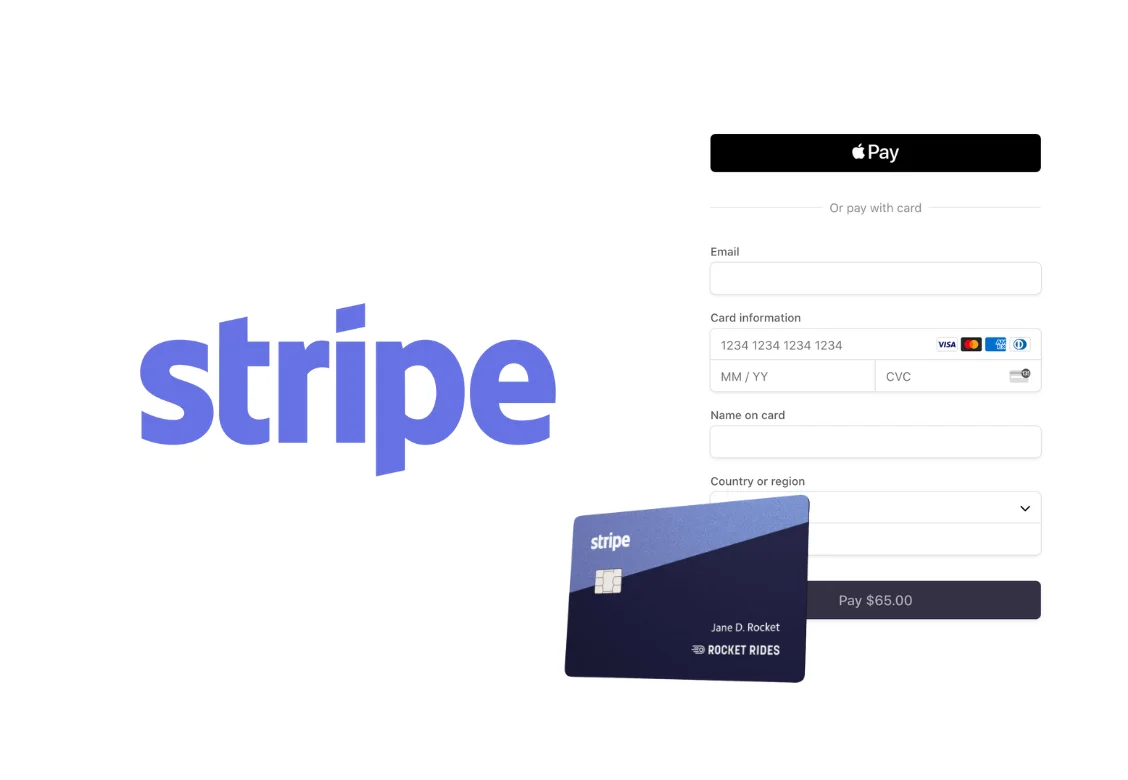
- Stripe — the developer default, and the obvious pick for SaaS and subscriptions. (We put it head to head with Windcave if those two are your shortlist.) First-class SDKs and features like Billing and Connect replace months of engineering, though pricing is rack-rate until you have the volume to negotiate.
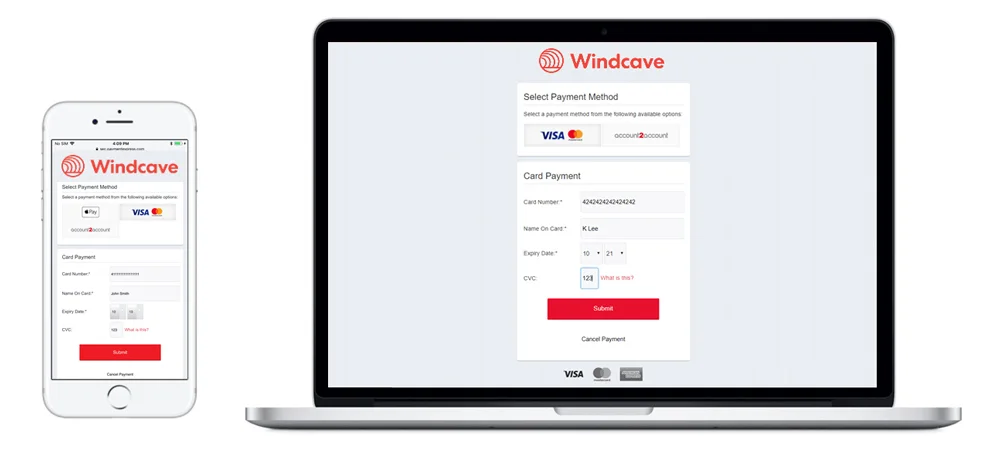
- Windcave — Auckland-based, with genuine local acquiring, in-store terminals and the hosted payment pages pictured above. A strong pick when online and counter sales need to reconcile in one place.
- Worldline Online EFTPOS — shoppers approve the payment inside their own banking app, so no card ever enters the flow. That shrinks fraud and chargeback exposure, and it suits an NZ-only customer base well.
- PayPal — still the fastest way to win trust from buyers who've never heard of your store, and useful for export sales. Expect higher effective fees, and reconciliation happens from your PayPal balance rather than your bank.
- Braintree — PayPal's gateway product: cards, PayPal and digital wallets through a single integration, with better-than-average token portability if you ever migrate away.
- Your bank's merchant facility plus a gateway — ANZ, ASB, BNZ and Westpac merchant accounts often deliver the sharpest per-transaction cost at volume. The trade-off is more setup friction and two vendors pointing at each other when something breaks.
- Buy-now-pay-later (Afterpay and friends) — not a payment provider so much as a conversion tool that sits beside one. The merchant fee is a multiple of card rates, so model the lift in conversion and order value before assuming it pays for itself.
Open banking is the one to watch: Payments NZ's API rails are steadily turning pay-by-bank from a workaround into a genuine checkout option, and it's worth asking any provider on your shortlist what their roadmap looks like there.
Our approach
We stay provider-neutral — we've shipped Stripe, Windcave, Braintree and direct bank integrations, and recommend per project rather than per partnership. If you're choosing a provider for a new platform or thinking about switching, our fintech team can map the options against your actual transaction profile — and if the decision sits inside a wider build, ecommerce development is where that usually starts.